
Introduction
The future of digital marketing: what to expect is one of the most important questions for businesses and marketers today. As technology continues to evolve rapidly, marketing strategies are also transforming. Companies are no longer relying only on traditional advertising methods; instead, they are using advanced digital tools, data analytics, and automation to reach their target audience more effectively.
With the rise of artificial intelligence, social media platforms, and personalized marketing, businesses are finding new ways to connect with customers online. The future of digital marketing: what to expect includes smarter technologies, improved customer experiences, and more data-driven decisions. In this article, we will explore the key changes, technologies, and strategies that will shape the future of digital marketing.
The Growing Importance of Digital Marketing
Digital marketing has become a core part of modern business strategies. As more people spend time online, companies must adapt their marketing methods to reach audiences through digital platforms.To better understand the fundamentals and evolution of this field, businesses should first explore what digital marketing really means and how it works in today’s online world.
The future of digital marketing: what to expect will involve businesses investing more in online advertising, search engine optimization, and social media marketing. Platforms such as Google Ads and Meta Ads Manager already help businesses target specific audiences based on interests, behavior, and demographics.
In the coming years, digital marketing will become even more personalized and data-driven, allowing companies to create highly targeted campaigns that deliver better results.
Key Trends Shaping the Future of Digital Marketing
1. Artificial Intelligence in Marketing
Artificial Intelligence (AI) is transforming digital marketing by helping businesses analyze customer data and automate marketing tasks.
AI helps marketers in several ways:
- Predicting customer behavior
- Automating email marketing campaigns
- Creating personalized product recommendations
- Improving customer support through chatbots
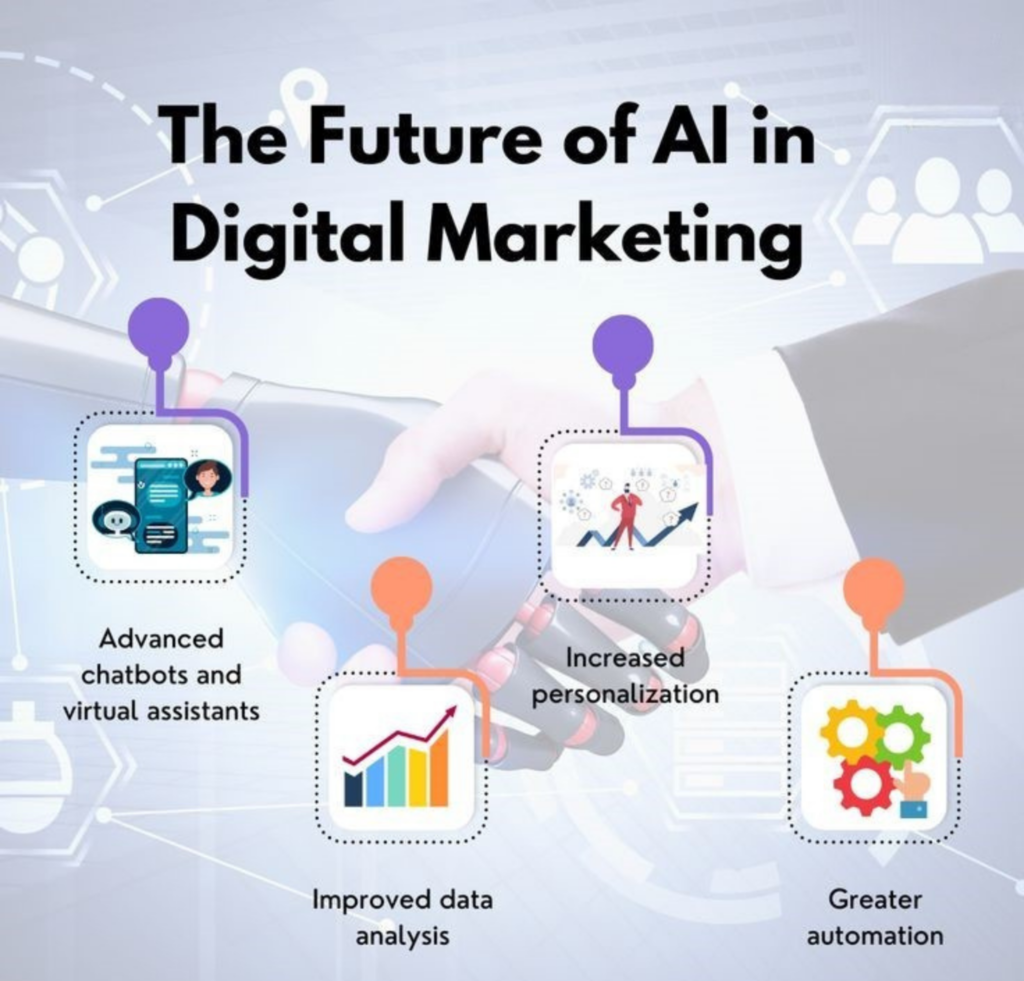
Platforms like Google Ads and Meta Ads Manager already use AI to optimize advertising campaigns and targeting.
As AI technology improves, businesses will be able to create smarter and more efficient marketing strategies.
2. The Rise of Video Marketing
Video content has become one of the most powerful marketing tools. Consumers prefer watching videos instead of reading long text content.
Popular video platforms include:
- YouTube
- Instagram Reels
- TikTok
Businesses use video marketing to:
- Explain products or services
- Build brand awareness
- Connect emotionally with audiences
- Increase engagement on social media
Example Video About Digital Marketing Future
You can also learn more about the future of digital marketing in this video:
Embedding videos in articles improves user engagement and helps SEO performance.
3. Personalization in Marketing
Personalized marketing is becoming a major strategy in digital marketing. Customers expect brands to provide content and advertisements that match their interests.
Examples of personalization include:
- Personalized email marketing campaigns
- Recommended products on websites
- Targeted advertisements on social media
- Customized content based on user behavior
Businesses using personalization often see higher engagement and better conversion rates.
4. Voice Search Optimization
Voice search is growing quickly as more people use smart devices and voice assistants.
Popular voice assistants include:
- Google Assistant
- Amazon Alexa
Because of voice search, businesses must optimize their content differently.
Key voice search strategies include:
- Using conversational keywords
- Answering common customer questions
- Writing clear and natural sentences
This shift will significantly influence the future of digital marketing: what to expect.
5. Data-Driven Marketing
Data is becoming the backbone of modern marketing strategies. Businesses use analytics tools to understand user behavior and improve campaign performance.
One popular analytics tool is Google Analytics.
Data-driven marketing helps businesses:
- Measure campaign performance
- Understand customer journeys
- Improve marketing ROI
- Make better strategic decisions
Companies that use data effectively will have a strong competitive advantage.
Experience and Insights from Digital Marketers
The future of digital marketing: what to expect is strongly influenced by the real experiences of digital marketers working in the industry. Many professionals believe marketing is evolving rapidly, requiring constant learning and adaptation.
Digital marketers say platforms like Google Ads and Meta Ads Manager now provide advanced targeting and automation. Social platforms such as Instagram and YouTube are also becoming essential tools for brand promotion through video and influencer marketing.
However, marketers also face challenges like increasing competition, algorithm updates, and privacy policies. Professionals who stay updated with trends and focus on creating valuable content are more likely to succeed in the future.
Challenges in the Future of Digital Marketing
Despite its advantages, digital marketing also presents several challenges.
Some major challenges include:
- Increasing competition among businesses
- Changing algorithms on search engines and social media
- Data privacy regulations
- Constant technological advancements
Marketers must continue learning new tools and strategies to stay competitive.
Conclusion
The future of digital marketing: what to expect is full of innovation, technology, and new opportunities for businesses. Artificial intelligence, video marketing, voice search, personalization, and data analytics will transform the way brands interact with customers.
Businesses that adapt to these changes and focus on creating meaningful customer experiences will succeed in the digital era. By embracing new technologies and staying updated with marketing trends, companies can build stronger connections with their audience and achieve long-term growth.
Frequently Asked Questions (FAQs)
1. What is the future of digital marketing?
The future of digital marketing will focus on advanced technologies like artificial intelligence, data analytics, automation, and personalized marketing strategies. Businesses will rely more on digital platforms to reach their target audiences effectively.
2. Why is digital marketing important for businesses?
Digital marketing helps businesses reach a larger audience, promote products online, and generate more leads. Platforms such as Instagram and YouTube allow brands to connect with customers and increase engagement.
3. What are the key trends in the future of digital marketing?
Some major trends shaping the future of digital marketing include:
Artificial Intelligence and automation
Video marketing and short-form content
Voice search optimization
Influencer marketing
Data-driven marketing strategies
1These trends are changing how businesses communicate with their audiences online.
4. How will artificial intelligence impact digital marketing?
Artificial intelligence helps marketers analyze data, automate campaigns, and improve targeting. Advertising platforms like Google Ads use AI to optimize ad performance and reach the right audience.
5. What skills are needed for the future of digital marketing?
To succeed in digital marketing, professionals need several important skills, including:
Search engine optimization (SEO)
Content marketing
Social media marketing
Data analysis
Advertising campaign management
Marketers who continuously learn new tools and technologies will have better opportunities in the future.





5 thoughts on “The Bright Future of Digital Marketing: What to Expect”
Comments are closed.