

Introduction
In today’s fast-changing online world, having a strong digital marketing strategy in 2026 is more important than ever. Technology, artificial intelligence, and social media platforms are evolving quickly, which means businesses must update their marketing methods to stay competitive.
Consumers now spend most of their time online—searching for products, watching videos, reading reviews, and interacting with brands. Because of this, companies need a smart digital marketing strategy that helps them reach the right audience, build trust, and increase sales.
In this article, we will explain what a digital marketing strategy is, why it is important in 2026, and how businesses can create an effective strategy to grow online.
What is Digital Marketing Strategy in 2026?
A digital marketing strategy in 2026 is a planned approach that businesses use to promote their products or services through online platforms.
It includes multiple marketing channels such as:
- Search engines
- Social media
- Paid advertising
- Email marketing
- Content marketing
- Influencer marketing
The main goal of a digital marketing strategy is to reach the target audience, attract potential customers, and convert them into loyal buyers.
Unlike traditional marketing, digital marketing allows businesses to track results, analyze performance, and improve strategies based on real data.
Why Digital Marketing Strategy in 2026 is Important
Digital marketing has become essential for businesses of all sizes. A well-planned digital marketing strategy in 2026 helps companies grow faster and reach customers globally.
Here are some reasons why it is important:
1. Most Customers Are Online
Today people search online before buying anything. A strong digital presence helps businesses appear where customers are searching.
2. Better Targeting
Digital marketing allows businesses to target specific audiences based on age, location, interests, and behavior.
3. Cost-Effective Marketing
Compared to traditional advertising like TV or newspapers, digital marketing is more affordable and delivers better results.
4. Measurable Results
Businesses can track website traffic, conversions, engagement, and ad performance in real time.
5. Competitive Advantage
Companies with strong digital marketing strategies can easily compete in the modern market.
Challenges Faced During Digital Marketing Strategy in 2026
While creating a successful digital marketing strategy in 2026, businesses also face many challenges. The digital world is evolving rapidly, and marketers must constantly adapt to new technologies, platforms, and customer expectations.
From artificial intelligence tools to changing social media algorithms, marketers need both skills and experience to manage modern digital marketing strategies effectively.
Below are some common challenges businesses face in digital marketing today.
1. Rapid Changes in Technology and Trends
One of the biggest challenges in a digital marketing strategy in 2026 is the fast pace of technological change. New tools, platforms, and marketing techniques appear every year.
For example, artificial intelligence (AI) is now being used for content creation, customer support chatbots, and automated advertising campaigns. While these tools make marketing more efficient, they also require marketers to continuously learn and update their skills.
Businesses that fail to adapt to new trends may struggle to stay competitive in the digital marketplace.
2. Increasing Competition Online
The number of businesses using digital marketing has grown significantly. Almost every company today promotes its products online.
Because of this, standing out from competitors has become more difficult. Marketers must create unique content, strong branding, and creative campaigns to attract audience attention.
A well-planned digital marketing strategy in 2026 helps businesses differentiate themselves from competitors.
3. Constant Changes in Search Engine Algorithms
Search engines regularly update their algorithms to improve search results for users. These changes can affect website rankings.
For marketers, this means SEO strategies must be updated regularly. What worked last year may not work today.
Businesses must focus on high-quality content, user experience, and ethical SEO practices to maintain their rankings.
4. Managing Multiple Digital Platforms
Digital marketing today involves many different platforms such as websites, social media, email marketing, and paid advertising channels.
Managing all these platforms at the same time can be challenging, especially for small businesses or beginners.
A strong digital marketing strategy in 2026 helps businesses organize their marketing efforts and maintain consistency across all platforms.
5. Creating High-Quality and Engaging Content
Content remains one of the most important parts of digital marketing. However, creating content that is informative, engaging, and valuable for the audience is not always easy.
Marketers must understand customer needs, trends, and search behavior to create content that performs well.
Using tools, research, and experience helps businesses produce content that attracts and retains customers.
6. Data Privacy and Customer Trust
Consumers today are more concerned about their data privacy. Governments and organizations have introduced stricter rules regarding customer data usage.
Businesses must be transparent about how they collect and use customer data.
Building trust with customers is an important part of any successful digital marketing strategy in 2026.
7. Lack of Experience and Skills
Digital marketing requires multiple skills such as SEO, content marketing, advertising, analytics, and social media management.
Beginners or new businesses may struggle due to a lack of experience. Learning digital marketing tools and strategies takes time and practice.
However, with proper training and continuous learning, marketers can overcome these challenges and build effective strategies.
How to Create a Digital Marketing Strategy in 2026
Creating a successful digital marketing strategy in 2026 requires planning and understanding your audience. Here are the key steps businesses should follow.
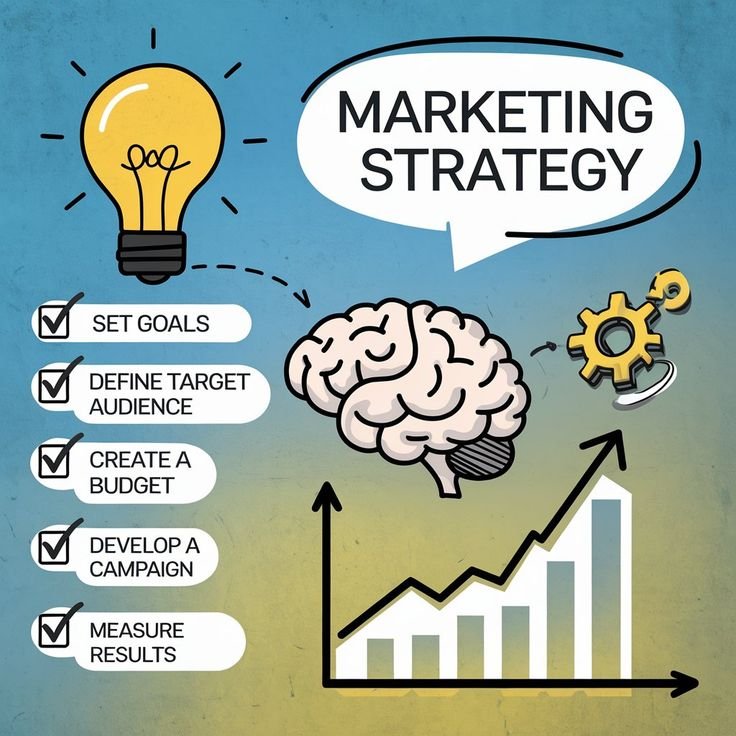
1. Define Your Goals
The first step is to identify what you want to achieve. Your goals might include:
- Increasing website traffic
- Generating leads
- Improving brand awareness
- Increasing online sales
Clear goals help guide the entire marketing strategy.
2. Identify Your Target Audience
Understanding your audience is essential. Businesses should analyze:
- Age group
- Location
- Interests
- Online behavior
Knowing the audience helps create marketing campaigns that attract the right customers.
3. Build a Strong Website
Your website is the foundation of your digital marketing efforts. A good website should be:
- Mobile friendly
- Fast loading
- Easy to navigate
- SEO optimized
A professional business website improves credibility and conversion rates.
4. Focus on Search Engine Optimization (SEO)
SEO helps websites appear in search engine results when people search for products or services.
Important SEO practices include:
- Using relevant keywords
- Writing high-quality content
- Improving website speed
- Building backlinks
SEO is one of the most effective long-term marketing strategies.
5. Use Social Media Marketing
Social media platforms allow businesses to connect with customers and promote their brand.
Businesses should create engaging content such as:
- Informative posts
- Videos
- Stories
- Customer testimonials
Consistent social media activity helps build brand awareness.
6. Invest in Paid Advertising
Paid ads help businesses reach a larger audience quickly. Platforms like search engines and social media offer advanced advertising options.
Businesses can run campaigns for:
- Website traffic
- Lead generation
- Product sales
Paid advertising works best when combined with organic marketing strategies.
7. Create Valuable Content
Content marketing is a powerful way to attract customers.
Businesses should create helpful content such as:
- Blog articles
- Guides
- Videos
- Infographics
High-quality content builds trust and improves search engine rankings.
8. Analyze and Improve Performance
Digital marketing strategies should always be monitored and improved.
Businesses should track:
- Website traffic
- Conversion rates
- Engagement rates
- Advertising performance
Analyzing results helps marketers optimize campaigns for better outcomes.
Digital Marketing Strategy in 2026 vs Old Digital Marketing Strategy
| Feature | Old Digital Marketing Strategy | Digital Marketing Strategy in 2026 |
|---|---|---|
| Technology Use | Mostly manual marketing tools | AI-powered tools and automation |
| Content Strategy | Focus on blogs and static posts | Short videos, interactive and multimedia content |
| Audience Targeting | Basic demographic targeting | Advanced targeting using data and behavior |
| Personalization | Limited personalization | Highly personalized user experience |
| Data Usage | Basic analytics | Data-driven decision making with advanced analytics |
| Customer Interaction | Limited engagement | Real-time engagement through social media and chatbots |
| Mobile Optimization | Not always mobile-focused | Mobile-first marketing approach |
This chart shows how digital marketing has evolved and why businesses need a modern digital marketing strategy in 2026 to stay competitive.
Benefits of Digital Marketing Strategy in 2026
Implementing a strong digital marketing strategy in 2026 provides many benefits for businesses.
Increased Brand Awareness
Digital marketing helps businesses reach a global audience and build brand recognition.
Higher Customer Engagement
Online platforms allow brands to interact directly with customers.
Better Conversion Rates
Targeted marketing campaigns increase the chances of converting visitors into customers.
Long-Term Business Growth
A well-planned digital marketing strategy helps businesses grow consistently over time.
Conclusion
The digital world is evolving rapidly, and businesses must adapt to new trends and technologies. A well-planned digital marketing strategy in 2026 helps companies reach their target audience, improve brand visibility, and increase sales.
By focusing on SEO, social media marketing, quality content, and data-driven decisions, businesses can build a strong online presence and stay ahead of competitors.
Whether you are a small business owner, a startup, or a large company, implementing the right digital marketing strategy will be essential for success in the modern digital landscape and can help you grow your business online and stay ahead of competitors.





5 thoughts on “Digital Marketing Strategy in 2026: A Complete Guide for Businesses”
Comments are closed.