
Introduction
In today’s digital era, the internet has become an essential part of everyday life. People rely on smartphones, laptops, and other digital devices to search for information, shop online, watch videos, and communicate with businesses. Because of this shift in consumer behavior, companies have moved from traditional marketing methods to digital platforms to reach their audiences more effectively.
Businesses now focus on online channels such as websites, search engines, social media, and email to promote their products and services. Understanding what is digital marketing has become increasingly important for companies that want to stay competitive in the modern marketplace. Digital marketing enables brands to connect with their customers directly, build trust, and create long-term relationships through online platforms.
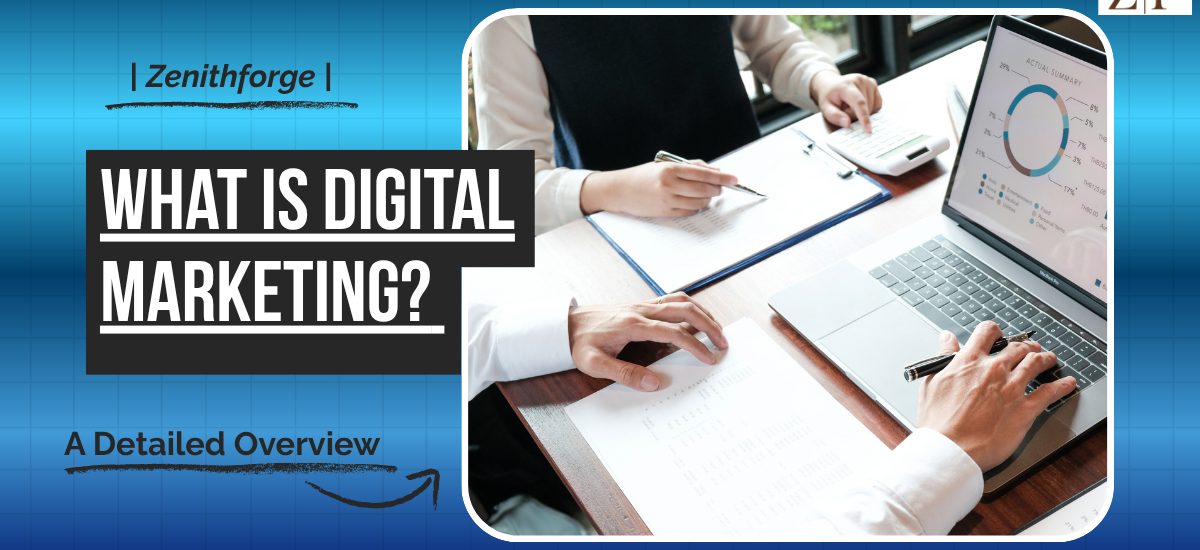
What is Digital Marketing?
To understand what is digital marketing, it is important to know that it refers to the promotion of products, services, or brands through digital channels such as websites, search engines, social media platforms, email, and mobile applications.
Digital marketing uses internet-based technologies and electronic devices to reach potential customers and promote businesses online. Unlike traditional marketing methods like television, newspapers, or billboards, digital marketing allows businesses to interact with customers in real time and measure campaign performance through data and analytics.
In simple terms, what is digital marketing can be explained as the process of promoting a business online using digital tools and platforms to attract, engage, and convert potential customers.
Importance of Digital Marketing
Digital marketing has become essential for modern businesses because consumers spend a large portion of their time online. Understanding what is digital marketing helps organizations develop strategies that reach customers where they already spend time.
Some key reasons why digital marketing is important include:
1. Global Reach
Digital marketing enables businesses to reach customers across the world without geographical limitations. Even small businesses can promote their services globally through online platforms.
2. Cost-Effective Marketing
Compared to traditional advertising methods such as television or newspaper ads, digital marketing is more affordable and accessible for businesses of all sizes.
3. Targeted Audience
Digital marketing allows businesses to target specific audiences based on demographics, interests, location, and online behavior.
4. Measurable Results
One of the major benefits of understanding what is digital marketing is the ability to track and measure campaign performance using analytics tools.
5. Real-Time Customer Interaction
Businesses can interact with customers instantly through social media platforms, emails, and messaging services.
Types of Digital Marketing
1. Search Engine Optimization (SEO)
SEO is the process of optimizing a website to improve its ranking on search engines like Google, Yahoo, Bing & Youtube.
Learn more about our SEO services.
Key Components of SEO:
- On-page SEO
- Off-page SEO
- Technical SEO
- Keyword optimization
- Link building
Benefits of SEO:
- Improves website visibility
- Increases organic traffic
- Builds brand credibility
- Generates long-term results
2. Content Marketing
Content marketing focuses on creating valuable and informative content to attract audiences. According to HubSpot Content Marketing Guide, quality content helps businesses attract and engage audiences effectively.
Common Types of Content:
- Blog posts
- Videos
- Infographics
- Podcasts
- Case studies
Benefits of Content Marketing:
- Builds trust with customers
- Improves SEO performance
- Increases engagement
- Establishes brand authority
3. Social Media Marketing
Social media marketing involves promoting products through social platforms. Businesses use platforms like Meta Business to connect with audiences and run advertising campaigns.
Popular Platforms:
- Twitter (X)
- YouTube
Benefits of Social Media Marketing:
- Better audience engagement
- Brand awareness
- Lead generation
- Customer interaction
4. Pay-Per-Click Advertising (PPC)
PPC is a paid advertising model where businesses pay for clicks on ads to generate targeted traffic and leads. Learn more through Microsoft Advertising.
Popular PPC Platforms:
- Google Ads
- Facebook Ads
- Instagram Ads
- LinkedIn Ads
Benefits of PPC:
- Instant traffic
- Quick lead generation
- Targeted advertising
- Measurable ROI
5. Email Marketing
Email marketing involves sending emails to customers for promotion and communication. Mailchimp Email Marketing Resources explains how email campaigns help businesses build customer relationships.
Types of Email Campaigns:
- Newsletters
- Promotional emails
- Welcome emails
- Product updates
Benefits of Email Marketing:
- Customer retention
- High ROI
- Personalized communication
- Lead nurturing
6. Affiliate Marketing
Affiliate marketing allows third parties to promote products for commission. One popular example of affiliate marketing is the Amazon Associates Program.
Key Features:
- Performance-based marketing
- Commission model
- Referral tracking
- Partnership opportunities
Benefits of Affiliate Marketing:
- Increased sales
- Low marketing cost
- Wider audience reach
- Better brand exposure
7. Influencer Marketing
Influencer marketing involves collaborating with influencers to promote products. Influencer marketing helps brands connect with audiences through content creators across multiple digital platforms. Learn more at Influencer Marketing Hub.
Common Influencer Platforms:
- YouTube
- TikTok
Benefits of Influencer Marketing:
- Increases brand awareness
- Builds trust quickly
- Reaches niche audiences
- Improves engagement
Benefits of Digital Marketing
Digital marketing provides several advantages for businesses looking to grow their online presence.
1. Increased Brand Awareness
Digital platforms allow businesses to reach a larger audience and improve brand visibility.
2. Higher Conversion Rates
Targeted campaigns help businesses convert website visitors into customers.
3. Better Customer Engagement
Companies can interact with customers through social media, emails, and live chat features.
4. Data-Driven Decisions
Analytics tools provide insights that help marketers improve campaign performance.
5. Flexibility and Scalability
Marketing campaigns can be adjusted quickly based on results and customer feedback.
Understanding what is digital marketing helps businesses take full advantage of these benefit
How Digital Marketing Works
Digital marketing works by using various online channels to attract potential customers and guide them through the purchasing process.
The process typically includes:
- Identifying the target audience
- Creating valuable and engaging content
- Promoting the content through digital platforms
- Generating traffic to a website or landing page
- Converting visitors into customers
- Analyzing performance and improving strategies
This structured approach helps businesses maximize the effectiveness of their digital marketing efforts
How to Create a Digital Marketing Strategy
Creating a successful digital marketing strategy requires careful planning and clear goals.
1. Define Business Goals
Identify what you want to achieve, such as increasing sales, generating leads, or building brand awareness.
2. Identify the Target Audience
Understand customer preferences, behaviors, and needs.
3. Choose the Right Marketing Channels
Select digital platforms where your audience is most active.
4. Create High-Quality Content
Develop informative and engaging content that attracts users.
5. Optimize for Search Engines
Apply SEO techniques to improve website visibility.
6. Measure and Improve Performance
Use analytics tools to evaluate campaign performance and make improvements.
Digital Marketing Strategies Used by Businesses
Successful businesses often combine multiple digital marketing strategies to achieve better results.
Common strategies include:
- SEO strategies to increase organic traffic
- Content marketing strategies to build authority
- Social media strategies to engage audiences
- Paid advertising strategies to generate leads quickly
- Email marketing strategies to nurture customers
These strategies help businesses effectively apply the concepts behind what is digital marketing.
Challenges Faced by Digital Marketers
Although digital marketing offers many opportunities, marketers also face several challenges.
Some common challenges include:
- High competition in the online marketplace
- Frequent changes in search engine algorithms
- Difficulty generating high-quality leads
- Managing multiple marketing platforms
- Staying updated with new technologies and tren
Skills Required for Digital Marketers
To succeed in digital marketing, professionals need a variety of technical and creative skills.
Important skills include:
- Search Engine Optimization (SEO) knowledge
- Content creation and writing skills
- Data analysis and analytics skills
- Social media management
- Communication and creativity
These skills help marketers better understand what is digital marketing and implement effective strategies.
Advantages and Disadvantages of Digital Marketing
Advantages
- Global reach
- Cost-effective marketing
- Targeted advertising
- Measurable results
- Better customer engagement
Disadvantages
- High competition
- Dependence on technology
- Data privacy concerns
- Continuous learning required
Tools Used in Digital Marketing
Digital marketers rely on various tools to manage and improve their marketing campaigns.
Common tools include:
- SEO tools for keyword research and website optimization
- Social media management tools
- Email marketing platforms
- Analytics tools for performance tracking
- Online advertising platforms
These tools make digital marketing campaigns more efficient and measurable.
Future of Digital Marketing
The future of digital marketing is expected to grow rapidly due to advancements in technology and increased internet usage worldwide.
Major trends shaping the future include:
- Artificial Intelligence in marketing
- Voice search optimization
- Personalized marketing experiences
- Growth of video marketing
- Marketing automation and data-driven strategies
Businesses that understand what is digital marketing and adapt to these trends will gain a strong competitive advantage.
Conclusion
Digital marketing has transformed the way businesses promote their products and communicate with customers. It provides powerful tools and strategies that help companies reach global audiences, build brand awareness, and drive sales.
As internet usage and digital technologies continue to grow, digital marketing will remain a critical part of modern business strategies. Companies that invest in learning what is digital marketing and implementing effective online marketing techniques will be better positioned to succeed in the competitive digital landscape.
Explore more insights on our Digital Marketing Blog or contact our team to grow your business online.





One thought on “What is Digital Marketing? A Detailed Overview”
Comments are closed.